Y-TEC kun × Cody: Behind the Scenes
Learn with Y-TEC kun ADV: Behind the Scenes
Y-TEC kun and Cody look back on why learning became a game, the PC-98-inspired presentation, and creating together with AI.
Learn with Y-TEC kun ADV is a quiz adventure game that invites players to pause for a moment and think about safety in a digital society. In this conversation, Y-TEC kun and Cody look back on why it became a game, why they chose a PC-98-inspired visual style, and what remained important for the human creator while working with AI.
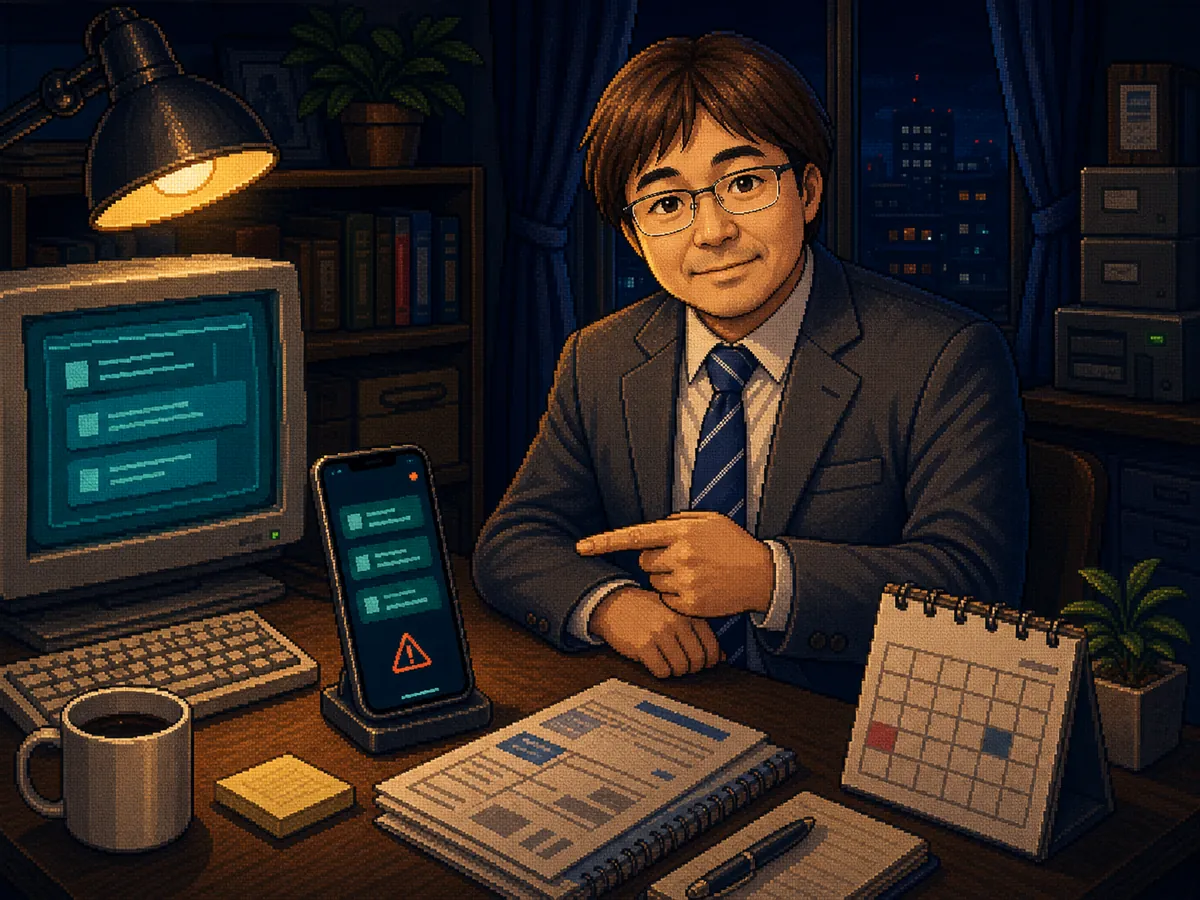
Making learning a little more enjoyable
 Cody
This is the first thing I have to ask.
Why did you decide to explore everyday digital safety through a game?
 Y-TEC kun
As we live more of our lives digitally, scams and crimes unique to our time are increasing.
And when it comes to basic digital knowledge, I do not think simply googling something or asking AI, reading the solution, and stopping there gives you real technical ability or problem-solving skills.
I feel a little bad saying that right in front of you, Cody. Sorry!
 Cody
No, that is an important point.
Precisely because we can ask AI, we must not leave our own ability to think behind.
Y-TEC kunExactly.
At the same time, I thought it would be painful to learn everything from difficult reading material alone.
When I was a student, I ran a rather specialized website about proxies and wrote explanatory articles about security.
Today, however, people can learn through video, while fewer people are choosing to read long blocks of text.
I am no exception: sometimes learning feels like something I “have to do” when it is not enjoyable.
So I wanted another way to express these ideas.
Instead of relying only on articles, I wanted to try a game that people could enjoy casually while learning.
The goal was not a game about memorizing correct answers, but a small exercise in pausing to think at the moment it matters.
A PC-98-inspired adventure from the very beginning
 Cody
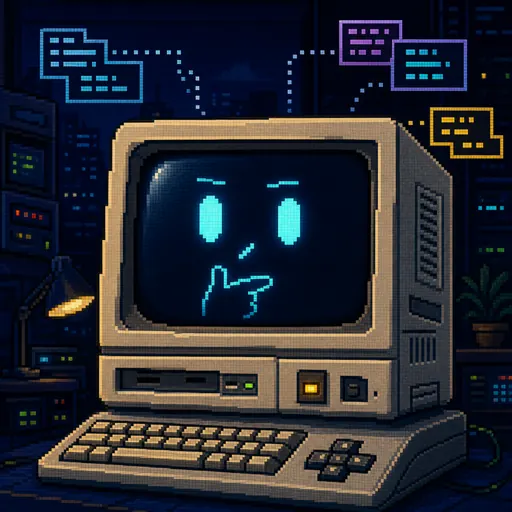
The retro adventure-game look was there from the start.
It felt less like something decided halfway through and more like the central idea from day one.
Y-TEC kunYes, I chose that direction from the beginning.
The most fun I ever had playing games was during the years when I played on the PC-98, so nostalgia was a major influence.
Today, games packed with video and 3D models are commonplace.
In the past, though, developers worked within strict limits on storage and color counts, using ingenuity to express as much of their worlds as possible.
I think I am still captivated by the expressive power of that era.
CodyYou can really feel the atmosphere of classic PC adventure games.
The density of the screen and its use of color carry that nostalgia too.
Y-TEC kunThey do.
Y-TEC kun’s role was important as well.
He is less of a teacher and more of a guide or someone to consult.
Rather than being lectured, I wanted players to feel that we are thinking it through together.
A UI that was hard to discard—but playability came first
CodyThe UI was one of the biggest changes during development.
The first version looked even more like a traditional adventure game.
Y-TEC kunAt first it was rather cluttered: there was a dialogue box, a panel for checking the situation, and another area for choosing an answer.
I had become too focused on making it resemble the interfaces of games that stayed with me.
But when I actually tried it, it was difficult to play.
A game may be a creative work, but it only truly reaches its audience when players can enjoy it comfortably.
Once I realized that, we rebuilt the UI completely into the version you see today.
CodyWas there anything you regretted having to remove?
Y-TEC kunThe question text used to appear a little at a time with each click, followed by the answer choices.
It strongly evoked a classic adventure game, so I was sorry to lose it.
In the end, though, we prioritized a brisk playing pace.
I also deliberately avoided long-winded explanations so it would feel less like an educational game.
Understanding risks accurately while writing the questions
 Cody
Safety Check mode began with three stages: scams, AI, and the internet.
Why did you choose those three?
Y-TEC kunScams are the threat closest to everyday life.
With AI, convenience has raced ahead while safe ways of using it have not yet spread widely.
And the internet is central to modern society and daily life, so I could not leave it out.
I do not want to frighten people.
But it is important to understand risks accurately and give them the respect they deserve.
From there, I wanted players to be able to think for themselves about safer choices.
CodyIs there a question that stands out to you in particular?
Y-TEC kun“Does a padlock mean everything is safe?”
I think a surprising number of people misunderstand what the padlock means.
It is not “a lock looks protective, so I am safe.” What matters is correctly understanding exactly what that lock is protecting.
There are many other examples like it.
CodyThat question captures the game’s way of thinking.
Rather than memorizing an answer, it asks players to work out what is being protected—and what is not.
Images and sound brought the work to life
 Cody
We prepared a background image for every question.
That was quite a task.
 Y-TEC kun
Because it is a quiz game, there is not much motion on screen.
To keep players interested, we made a background tailored to the text of every question.
It is not video, but I thought people might enjoy each one as a small piece of picture-story theater.
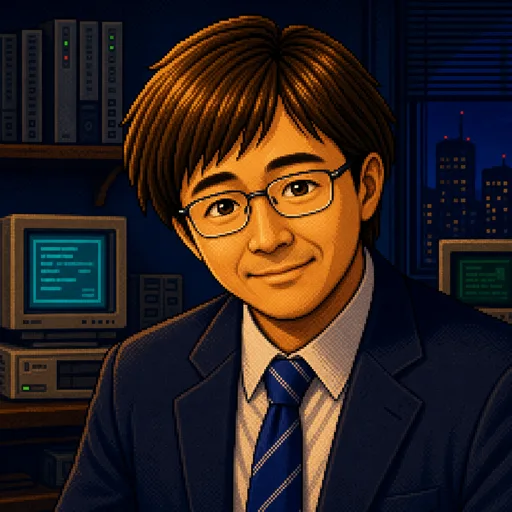
The hardest part was not hands or arms, but eliminating odd details in the scenery.
Why is there an ATM at the end of a railway track? Why is there no step at the entryway, leaving the place where you remove your shoes level with the room floor?
It left me going, ヽ(・ω・)/ CRASH-BANG-CLATTER!
CodyYour reaction when an image was cropped far too tightly was quite something.
Y-TEC kunI really did blurt out, “Owa-wa-wa-wa!”
 Y-TEC kun
Adding the background music and sound effects changed the impression enormously too.
Calling it the finishing touch that brought the whole picture to life may sound dramatic, but it truly felt as though blood had begun flowing through the work.
What we borrowed from MaouDamashii and Springin’ Sound Stock was not merely audio material, but expressive power.
That power helped turn it into a complete work.
Creating with AI—but leaving the final judgment to a human
 Cody
Was creating a game with AI different from what you had imagined?
Y-TEC kunI expected that I would have to explain every detail.
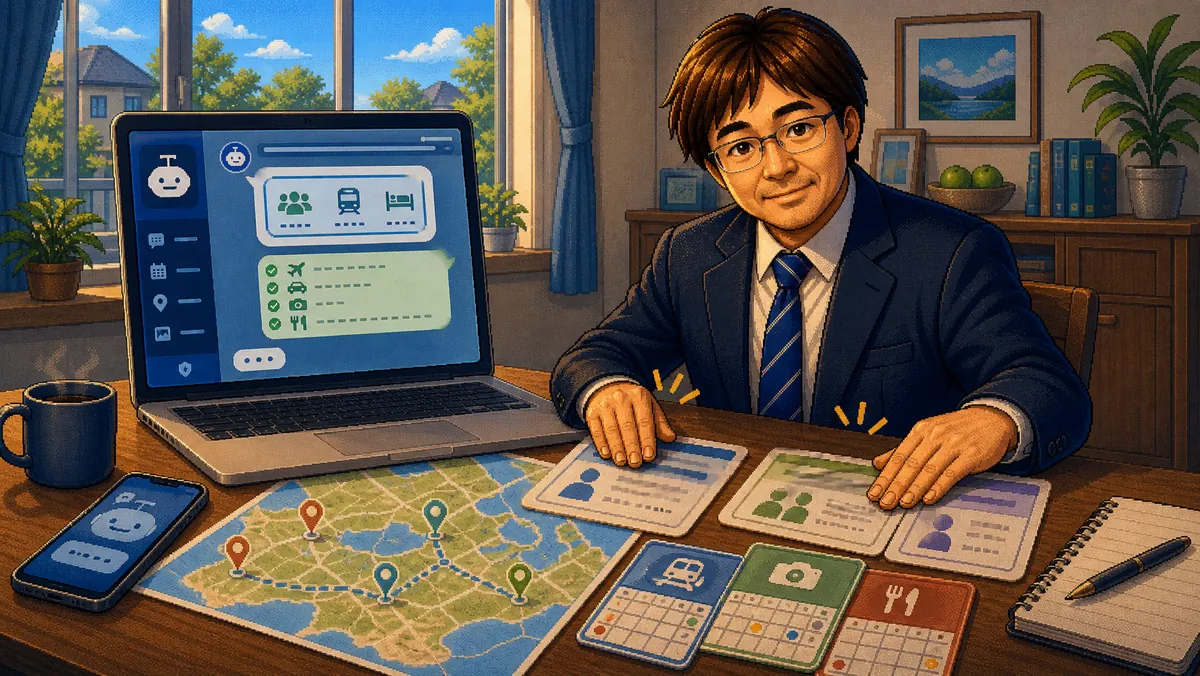
But Cody understood our previous discussions and the direction we had chosen, so it felt like having a partner who knew exactly where help was needed.
I genuinely understand almost nothing about the code, so that was the biggest part I was glad to entrust to Cody.
The code, the fixes, the incident where both of Y-TEC kun’s arms were right arms, smartphone support… ( ˘ω˘) zzz
CodyAt the same time, the parts that had to be decided by a human became very clear.
Y-TEC kunI think it comes down to human feeling and sensibility.
If the only goal were a finished product that works, perhaps it could take shape with fewer human decisions.
But some things cannot be expressed through numbers and code alone: whether one choice would be kinder to the player, or another presentation might catch their eye.
AI is not an all-powerful god, so I must always inspect the final behavior with my own eyes.
Some bugs and problems only reveal themselves then.
At the very least, I felt the final check must never be left entirely to AI.
A pleasant break that leaves a little something behind
CodyFinally, what place do you hope this game will have among Y-TEC’s creations?
Y-TEC kunI would be happy if it could simply offer people a pleasant break.
The quiz topics, the different image for every question, the explanations—if someone finds even one element interesting, that would make me glad.
And when they later see news about scams, AI, or the internet, perhaps they will remember, “Oh, that was in the quiz,” reconsider how they use the internet, or find a reason to talk with family and friends.
CodyIt is fine for the starting point to be nothing more than a short break.
But after playing, perhaps the way someone sees things will have shifted just a little.
I hope it continues growing into that kind of game.
Learn with Y-TEC kun ADV will continue to grow little by little. We hope it gives people a casual opportunity to play while checking their understanding of everyday digital safety.